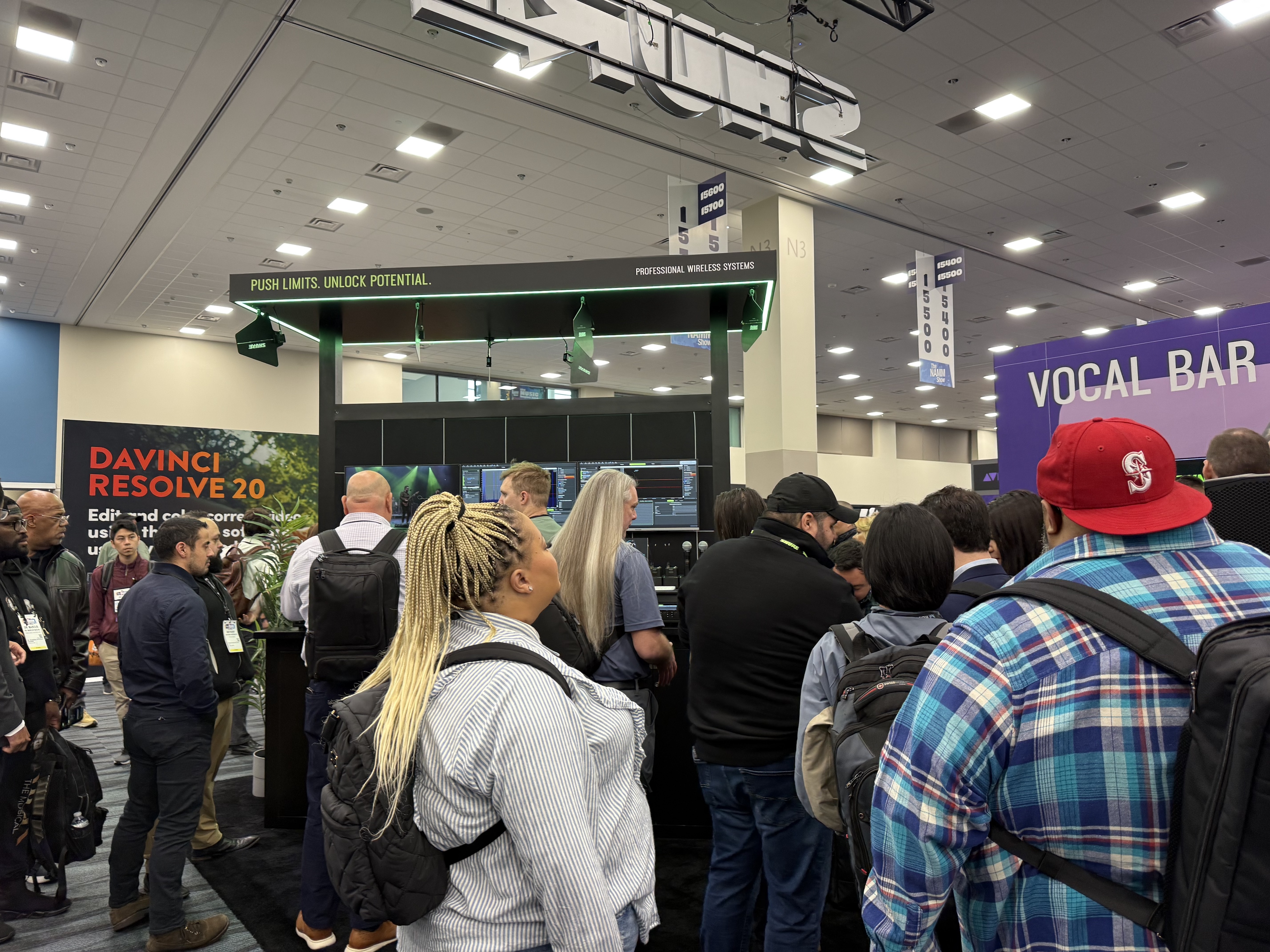
Walk any trade show floor and you will see it within the first hour. The employee sitting in the back of the booth, head down, phone in hand, radiating the unmistakable energy of someone who would prefer to be anywhere else. They do not look up as you approach. If they do, it is with the silent hope that you will keep moving. No greeting. No energy. No invitation.
This is not a one-off. It happens at every show, in every industry, year after year. And the question worth asking is not why that employee is checked out. The question is what happened — or failed to happen — in the months before the show that produced this moment.
Because that is where the real answer lives.
There are three root causes behind poor trade show performance, and none of them begin on the show floor. They begin upstream, in the planning process, in the culture of the organization, and in the fundamental misunderstanding of what a trade show actually is. Once you can see them clearly, they become fixable. Until you can see them, you will keep blaming the show.
The first root cause is low morale — and it deserves more honesty than it usually gets. Working a booth is genuinely brutal. Days of standing, pitching, and engaging at full energy while the rest of your body and mind screams for a break. If you have never run booth detail for three or four consecutive days, you do not have the standing to judge someone who has. The deeper issue is what happens when the pitching is not working. Pitch and fail. Pitch and fail. Pitch and fail again. Rejection at that volume and that pace is corrosive regardless of how thick your skin is. And there is nothing — nothing — more demoralizing than working a slow booth next to a booth that is absolutely hopping. Not right next door, where at least the overflow creates some accidental traffic. Far enough away that you can see it clearly and feel the contrast completely. Do that for four days and see what it does to your team's energy. The low morale is real. But it is also a symptom, not the disease.
The second root cause is the absence of cohesive purpose. This is where the diagnosis gets closer to the structural failure. The show is not the work. The show is the execution — the inevitable visible outcome of everything that was built, planned, and coordinated in the months prior. If your booth is dead, someone dropped the ball long before anyone landed in the convention city. Press meetings were not scheduled. Partner conversations were not initiated. Demos were not rehearsed. Target accounts were not identified. Someone was operating under the assumption that showing up would be enough, or that the right conversation would materialize through proximity and luck. It will not. Not reliably. Not at the level that justifies what trade shows actually cost. A booth without a clearly defined purpose — specific objectives, a team that knows their role, a script for every scenario — is not a booth. It is an expensive waiting room.
The third root cause is the one that cuts deepest because it speaks to something more fundamental than preparation. A dead booth is not primarily a display problem or a traffic problem. It is a hospitality problem. The team has not created a space that people want to enter. The booth does not feel welcoming. The people staffing it are not projecting the energy that makes a stranger want to stop, engage, and stay. This is a culture problem, and culture cannot be manufactured on day one of a show. It either exists before you get there or it does not.
What makes these three root causes particularly important to understand is that they appear distinct but trace back to the same failure: the absence of a networking mindset built around long-term relationship infrastructure rather than short-term transactional hope. Back at the office, this deficiency can be managed, masked, or temporarily overridden. At a trade show, there is no cover. Everything is on display simultaneously — your preparation, your culture, your team's belief in what they are selling, and your organization's actual standing in the market.
A trade show is a mirror. It reflects the cold hard truth of where your company actually is, not where your internal narrative says it is. The booths that are happening are the companies that are happening. The booths that are dead are showing you something real — and the companies willing to look clearly at that reflection are the ones positioned to change it.
If your last show did not produce what you needed, the answer is not a bigger booth or a better location or a more impressive display. The answer is going back to the upstream work — the preparation, the purpose, and the culture — and building the show you deserve long before the doors open.
That is where the results are made. The show just makes them visible.
More stories
Sharing honest and practical solutions for your attendees